Pendahuluan: Pilar Tersembunyi Perdagangan Modern
Es yang dapat dikonsumsi, yang sering dianggap remeh, memainkan peran penting dalam berbagai industri, mulai dari kafe dan restoran yang ramai hingga pabrik pengolahan makanan berskala besar dan aplikasi medis penting. Industri grosir es konsumsi adalah mesin penggerak senyap yang menjaga sektor-sektor ini tetap berjalan, memastikan kesegaran produk, meningkatkan pengalaman konsumen, dan mempertahankan integritas operasional. Namun, industri vital ini tidak terlepas dari kompleksitas dan tantangan. Seiring meningkatnya permintaan akan es berkualitas tinggi dan higienis, tekanan terhadap produsen dan distributor es juga semakin besar untuk menyediakan produk secara efisien, andal, dan menguntungkan. Panduan komprehensif ini membahas dunia rumit grosir es konsumsi , mengeksplorasi kendala umum yang dihadapi bisnis, solusi inovatif yang ditawarkan oleh CBFI, pemilihan peralatan penting, studi kasus keberhasilan, dan pertanyaan yang sering diajukan. Tujuan kami adalah memberikan gambaran menyeluruh bagi mereka yang ingin memasuki, mengoptimalkan, atau memperluas kehadiran mereka di pasar yang dinamis ini.
Bagian 1: Menguraikan Kendala dalam Industri Grosir Es Konsumsi
Perjalanan dari air menjadi es bening seperti kristal, lalu sampai ke konsumen akhir, dipenuhi dengan berbagai potensi masalah. Berdasarkan pengalaman industri yang luas dan wawasan dari wawancara pelanggan, muncul beberapa tantangan berulang yang dapat berdampak signifikan terhadap profitabilitas dan stabilitas operasional. Kendala-kendala ini, meskipun beragam, sering kali berpusat pada masalah efisiensi, kualitas, biaya, dan keandalan.
1.1 Ketidakefisienan Produksi dan Keterbatasan Kapasitas
Salah satu kekhawatiran paling mendesak bagi bisnis grosir es konsumsi adalah kemampuan untuk memenuhi permintaan pasar yang berfluktuasi. Banyak operasi mengalami kesulitan dengan kapasitas produksi es yang tidak mencukupi, terutama selama musim puncak atau lonjakan permintaan yang tidak terduga. Hal ini sering menyebabkan:
•Peluang Penjualan yang Hilang: Ketika pabrik es tidak dapat memproduksi es dalam jumlah yang cukup, mereka tidak dapat memenuhi pesanan, yang secara langsung menyebabkan hilangnya pendapatan dan potensi ketidakpuasan pelanggan.
•Ketergantungan pada Pemasok Eksternal: Untuk mengatasi kesenjangan kapasitas, bisnis mungkin terpaksa membeli es dari pesaing atau pemasok lain, yang dapat lebih mahal dan mengurangi margin keuntungan.
•Peralatan Usang: mesin pembuat es lama sering kali kurang efisien, rentan mengalami kerusakan, dan mengonsumsi lebih banyak energi, sehingga menyebabkan biaya operasional lebih tinggi dan hasil produksi yang tidak konsisten.
Sebuah wawancara pelanggan menyoroti tantangan ini dengan jelas. Sebuah pabrik es berskala besar yang beroperasi di wilayah dengan pertumbuhan pesat menemukan bahwa pengaturan yang ada tidak mampu mengikuti peningkatan permintaan dari kafe lokal, restoran, dan bisnis layanan makanan ritel. Fokus utama mereka saat mencari solusi baru adalah meningkatkan efisiensi produksi secara signifikan dan memastikan pasokan es berkualitas tinggi yang stabil untuk sepenuhnya memenuhi kebutuhan bisnis mereka yang terus berkembang. Hal ini menegaskan kebutuhan penting akan mesin pembuat es berkapasitas besar yang dapat menghasilkan produksi bervolume tinggi secara konsisten.
1.2 Konsumsi Energi yang Melonjak dan Biaya Operasional
Listrik adalah sumber kehidupan bagi setiap pabrik es, dan akibatnya, konsumsi energi mewakili bagian signifikan dari biaya operasional. Banyak mesin pembuat es tradisional tidak dirancang dengan mempertimbangkan efisiensi energi yang optimal, sehingga menyebabkan:
•Tagihan Listrik Tinggi: Di wilayah dengan tarif listrik tinggi, peralatan yang tidak efisien dapat dengan cepat menggerus margin keuntungan, sehingga bisnis menjadi kurang kompetitif.
•Dampak Lingkungan: Konsumsi energi yang tinggi juga berarti jejak karbon yang lebih besar, yang semakin menjadi perhatian bagi bisnis dan konsumen yang peduli terhadap lingkungan.
•Biaya Pemeliharaan: Mesin lama sering kali memerlukan pemeliharaan dan perbaikan yang lebih sering, menambah biaya operasional secara keseluruhan dan menyebabkan waktu henti yang tidak terduga.
Pelanggan yang sama menekankan bahwa mengurangi biaya listrik merupakan faktor pendorong utama dalam proses pengambilan keputusan mereka untuk mesin es baru. Mereka mencari solusi yang dapat menghasilkan produksi tinggi sekaligus secara signifikan mengurangi pengeluaran energi mereka. Hal ini menyoroti pergeseran industri menuju pembuat es hemat energi dan praktik pembuatan es berkelanjutan.
1.3 Kualitas Es yang Tidak Konsisten dan Kekhawatiran Keamanan Pangan
Untuk es yang dapat dikonsumsi, kualitas dan kebersihan adalah hal yang sangat penting. Konsumen mengharapkan es tabung bening seperti kristal atau es batu yang aman untuk dikonsumsi dan tidak mengubah rasa minuman atau makanan. Masalah umum meliputi:
•Es Keruh atau Tidak Murni: Pengolahan kualitas air yang buruk atau proses pembekuan yang tidak efisien dapat menghasilkan es yang keruh, rapuh, atau tidak murni, yang tidak menarik dan berpotensi tidak aman.
•Kontaminasi Bakteri: Protokol kebersihan yang tidak memadai, bahan yang tidak memenuhi standar untuk makanan, atau desain yang sulit dibersihkan dapat menyebabkan pertumbuhan bakteri, sehingga menimbulkan risiko serius terhadap keamanan pangan dan kerusakan reputasi.
•Kurangnya Sertifikasi: Tanpa sertifikasi food-grade yang tepat (misalnya CE, HACCP), bisnis mungkin kesulitan memasuki pasar tertentu atau meyakinkan klien yang teliti.
Wawancara pelanggan menegaskan pentingnya produksi es tabung yang stabil dan berkualitas tinggi yang sangat penting bagi klien mereka di sektor layanan makanan. Mereka membutuhkan mesin yang dapat secara konsisten menghasilkan es yang memenuhi standar kualitas yang ketat. Hal ini menunjukkan perlunya mesin es kelas pangan dan sistem pengolahan air yang andal.
1.4 Ketergantungan Tenaga Kerja dan Kompleksitas Operasional
Banyak pabrik es, terutama yang lebih kecil atau lebih tua, sangat bergantung pada tenaga kerja manual untuk berbagai tahap proses produksi es, mulai dari pengoperasian mesin hingga pengemasan dan penanganan. Hal ini dapat menyebabkan:
•Biaya Tenaga Kerja Tinggi: Di wilayah dengan kenaikan upah, operasi yang padat tenaga kerja dapat menjadi tidak berkelanjutan.
•Kesalahan Operasional: Kesalahan manusia dapat menyebabkan ketidakkonsistenan dalam produksi, masalah kualitas, atau bahkan bahaya keselamatan.
•Kompleksitas dalam Manajemen: Mengelola tenaga kerja yang besar dan proses manual yang kompleks dapat menjadi tantangan, sehingga mengalihkan fokus dari pertumbuhan bisnis utama.
Klien secara khusus memuji panel kontrol layar sentuh intuitif dan fitur pengaktifan sekali klik pada mesin CBFI baru mereka, dengan mencatat bahwa fitur-fitur tersebut secara signifikan mengurangi kompleksitas operasional dan biaya tenaga kerja. Hal ini menggambarkan meningkatnya permintaan terhadap produksi es otomatis dan kontrol PLC dalam industri.
1.5 Kurangnya Dukungan Purnajual yang Andal dan Keahlian Teknis
Peralatan pembuatan es industri merupakan investasi besar, dan seperti mesin lainnya, peralatan ini memerlukan dukungan serta pemeliharaan berkelanjutan. Masalah umum yang sering terjadi adalah kurangnya layanan purnajual yang responsif dan profesional dari pemasok peralatan, yang menyebabkan:
•Waktu Henti yang Berkepanjangan: Ketika mesin mengalami kerusakan, dukungan teknis yang lambat atau tidak memadai dapat mengakibatkan periode panjang tanpa produksi, sehingga menyebabkan kerugian finansial yang besar.
•Kesulitan dalam Pemecahan Masalah: Tanpa panduan ahli, operator mungkin kesulitan mendiagnosis dan memperbaiki masalah, yang menyebabkan frustrasi dan perbaikan yang tidak efisien.
•Kurangnya Pelatihan: Pelatihan yang tidak memadai tentang pengoperasian dan pemeliharaan mesin dapat menyebabkan kinerja yang kurang optimal serta keausan dini.
Wawancara pelanggan menyoroti keunggulan tim purnajual CBFI, dengan mencatat dukungan yang tepat waktu dan efektif mereka mulai dari instalasi hingga commissioning, serta respons cepat terhadap masalah operasional dengan solusi praktis. Hal ini menjadi faktor utama dalam kepuasan dan keberhasilan mereka. Hal ini menekankan nilai dari pemasok yang menawarkan dukungan teknis yang komprehensif dan tim instalasi global.
1.6 Keterbatasan Ruang dan Tantangan Integrasi
Bagi bisnis yang ingin memperluas atau mendirikan pabrik es, ruang fisik dapat menjadi faktor pembatas. Mengintegrasikan mesin pembuat es berkapasitas besar baru ke dalam tata letak pabrik yang sudah ada atau memasangnya di lingkungan perkotaan yang terbatas memerlukan perencanaan yang cermat dan solusi yang disesuaikan.
•Desain Kompak: Kebutuhan akan peralatan dengan jejak ruang kecil yang tetap dapat menghasilkan output tinggi sangat penting.
•Ekspansi Modular: Kemampuan untuk dengan mudah meningkatkan kapasitas tanpa perombakan total pada pengaturan yang sudah ada sangat diinginkan.
•Integrasi Mulus: Peralatan baru harus terintegrasi dengan lancar dengan utilitas dan lini produksi yang sudah ada.
Wawancara pelanggan menyebutkan desain fasilitas modern dengan pemanfaatan ruang yang sangat baik sebagai sorotan proyek, yang menunjukkan bahwa penggunaan ruang secara efisien merupakan pertimbangan penting dalam pengaturan pabrik mereka. Hal ini menunjukkan pentingnya desain pabrik es dan solusi proyek siap pakai yang menawarkan tata letak yang disesuaikan.
Tantangan-tantangan ini secara keseluruhan menegaskan kebutuhan akan solusi pembuatan es yang canggih, terintegrasi, dan andal yang tidak hanya memenuhi kebutuhan produksi langsung tetapi juga tujuan operasional dan strategis jangka panjang dari bisnis grosir es yang dapat dikonsumsi. CBFI berkomitmen untuk menyediakan solusi tersebut, memberdayakan klien untuk mengatasi tantangan ini dan mencapai pertumbuhan yang berkelanjutan.
Bagian 2: Solusi Komprehensif CBFI untuk Grosir Es yang Dapat Dikonsumsi
CBFI merupakan pemimpin global dalam pembuatan es industri, menawarkan rangkaian lengkap solusi yang dirancang untuk mengatasi tantangan kompleks yang dihadapi oleh industri grosir es yang dapat dikonsumsi. Pendekatan kami berakar pada penyediaan solusi pembuatan es yang hemat biaya di seluruh dunia, didukung oleh teknologi mutakhir, rekayasa yang kuat, dan dukungan pelanggan yang tak tertandingi. Kami bangga menjadi pemasok sistem pembuatan es yang komprehensif dan solusi ruang pendingin, memastikan bahwa klien kami menerima rangkaian lengkap solusi lini produksi es dari satu sumber yang andal.
2.1 Solusi Lini Produksi Es Terintegrasi
CBFI menyediakan solusi pabrik es siap pakai lengkap solusi pabrik es turnkey yang mencakup setiap tahap produksi es, mulai dari pengolahan air hingga penyimpanan dan pengemasan es. Pendekatan terintegrasi kami memastikan pengoperasian yang lancar, efisiensi optimal, dan kualitas es yang konsisten. Kami dapat menyediakan desain, produksi, instalasi, dan layanan purnajual untuk setiap pabrik es konsumsi dengan kapasitas produksi harian 3-5 ton atau lebih, atau untuk perluasan pabrik es yang sudah ada dan transformasi lini produksi otomatis. Solusi kami bersifat modular dan dapat diperluas, memungkinkan bisnis meningkatkan kapasitasnya seiring meningkatnya permintaan.
2.2 Peralatan Pembuatan Es Canggih
Inti dari solusi kami adalah mesin pembuat es mutakhir kami, yang mampu menghasilkan berbagai jenis es konsumsi untuk memenuhi beragam kebutuhan pasar. Portofolio peralatan kami mencakup:
•Mesin Es Tabung: Dikenal karena menghasilkan es transparan berbentuk silinder berongga dengan karakteristik pencairan yang lambat, ideal untuk minuman dan pengawetan makanan. Mesin es tabung CBFI dirancang untuk efisiensi energi tinggi dan pengoperasian stabil.
•Mesin Es Batu: Menghasilkan es batu padat berbentuk berlian, sempurna untuk koktail, minuman, dan pendinginan umum. Mesin es batu kami kokoh dan dirancang untuk produksi berkelanjutan es food-grade.
•Mesin Es Pelat: Meskipun terutama digunakan untuk aplikasi industri seperti perikanan, mesin es pelat yang lebih kecil juga dapat disesuaikan untuk kebutuhan es konsumsi tertentu yang memerlukan pendinginan cepat dan penanganan yang lembut.
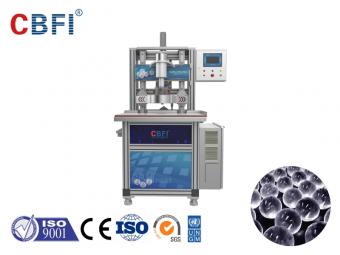
•Mesin Es Bola: Untuk pengalaman minuman premium, mesin es bola kami menghasilkan es berbentuk bola sempurna yang mencair secara perlahan, meningkatkan tampilan penyajian minuman.
•Mesin Es Nugget: Menghasilkan es lembut yang dapat dikunyah, populer di restoran cepat saji dan fasilitas kesehatan.
Semua peralatan pembuatan es CBFI dibuat dari baja tahan karat food-grade dan mematuhi standar keamanan pangan, termasuk sertifikasi CE, memastikan produksi es konsumsi yang higienis.
2.3 Sistem Pengemasan dan Penyimpanan Es Otomatis
Menyadari meningkatnya permintaan akan otomatisasi peralatan dan kebutuhan untuk mengurangi biaya tenaga kerja, CBFI menawarkan lini pengemasan khusus es otomatis dan solusi ruang dingin:
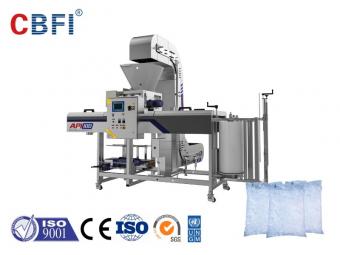
•Pengemasan Otomatis: mesin pengemasan es otomatis kami dapat menangani berbagai ukuran dan jenis kantong, secara signifikan mengurangi tenaga kerja manual, meningkatkan kecepatan pengemasan, dan memperbaiki kebersihan.
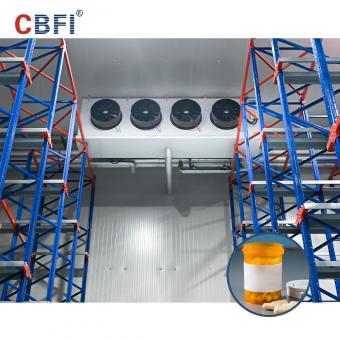
•Solusi Penyimpanan Es: Kami menyediakan ruang penyimpanan dingin yang disesuaikan untuk mempertahankan suhu optimal bagi penyimpanan es, mencegah pencairan dan memastikan pasokan yang konsisten. Sistem ini dapat diintegrasikan dengan sistem pengiriman es otomatis untuk pemindahan es yang lancar ke titik pengemasan atau distribusi.
2.4 Layanan Purnajual dan Dukungan Teknis yang Tak Tertandingi
Komitmen CBFI melampaui pengiriman peralatan. Kami menawarkan sistem layanan purnajual yang komprehensif yang mencakup:
•Tim Instalasi Global: Insinyur berpengalaman kami menyediakan instalasi cepat dan layanan pengoperasian awal di seluruh dunia, memastikan pabrik es Anda berjalan dengan lancar.
•Dukungan Teknis Responsif: Tim teknis daring kami menyediakan dukungan tepat waktu dan efektif, dengan cepat menangani masalah operasional menggunakan solusi praktis, sehingga meminimalkan waktu henti.
•Pelatihan Operator: Kami menyediakan pelatihan menyeluruh bagi staf Anda tentang pengoperasian dan pemeliharaan mesin, sehingga mereka mampu mengelola pabrik es secara efisien.
•Ketersediaan Suku Cadang: Kami memastikan ketersediaan suku cadang untuk mendukung pengoperasian peralatan Anda dalam jangka panjang.
Bagian 3: Panduan Pemilihan Peralatan untuk Bisnis Grosir Es yang Dapat Dikonsumsi
Memilih mesin es tabung atau mesin es batu yang tepat sangat penting bagi keberhasilan bisnis grosir es yang dapat dikonsumsi. Keputusan tersebut harus didasarkan pada skala bisnis spesifik Anda, permintaan pasar, dan tujuan operasional. CBFI menawarkan berbagai kapasitas untuk memenuhi beragam kebutuhan, mulai dari operasi ritel kecil hingga pemasok industri berskala besar.
3.1 Memahami Skala Bisnis dan Kebutuhan Kapasitas Anda
1. Bengkel Es Kecil & Toko Ritel (Mesin Es Tabung 1-3 Ton)
•Cocok untuk: Komunitas lokal kecil atau pedagang individu, terutama menggunakan sepeda motor atau kendaraan roda tiga listrik untuk transportasi. Ideal untuk ritel komunitas, pengawetan supermarket, penggunaan sendiri toko minuman, dan pengawetan perikanan skala kecil.
•Keunggulan Utama: Jejak ruang kecil (mesin utama minimal hanya 6㎡), ambang investasi rendah, luas total pabrik 50-100㎡ sudah mencukupi (termasuk area penyimpanan es sederhana). Kebutuhan tenaga kerja minimal (1-2 orang, terutama untuk pengemasan manual).
•Tips Keuntungan: Gabungkan dengan penjualan eceran es tabung lepas untuk pengembalian investasi yang cepat, dengan fleksibilitas tinggi.
2. Pabrik Es Kecil (Mesin Es Tabung 5-10 Ton)
•Cocok untuk: Mencakup beberapa komunitas sekitar. Transisi ideal dari operasi manual ke semiotomatis, sambil memperluas pangsa pasar secara bertahap. Area pabrik yang disarankan: 100-150㎡ (termasuk mesin utama, area pengemasan, drainase, dan ruang ventilasi). Dapat dilengkapi dengan mesin pengemasan semiotomatis dan penyimpanan dingin kecil.
•Perluasan Bisnis: Memasok supermarket, restoran, dan grosir minuman di sekitar.
•Kebutuhan Tenaga Kerja: 2-4 orang; pengemasan semiotomatis secara signifikan mengurangi intensitas kerja, meningkatkan efisiensi sebesar 30%-50%.




 IPv6 jaringan didukung
 Indonesia
 English
 français
 русский
 español
 português
 العربية
 Melayu
 ไทย
ไทย Tiếng việt